Field Notes · Reviewed August 23, 2026

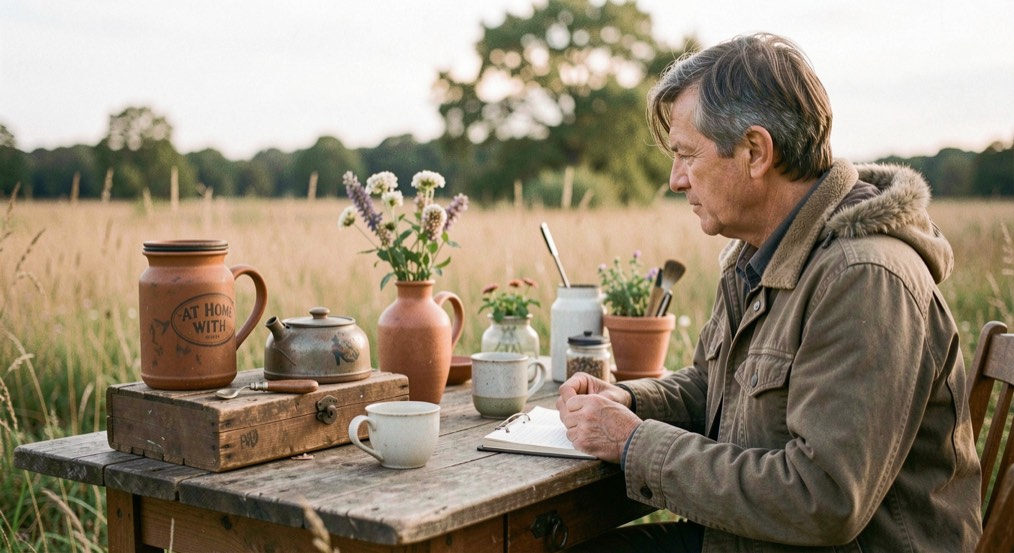
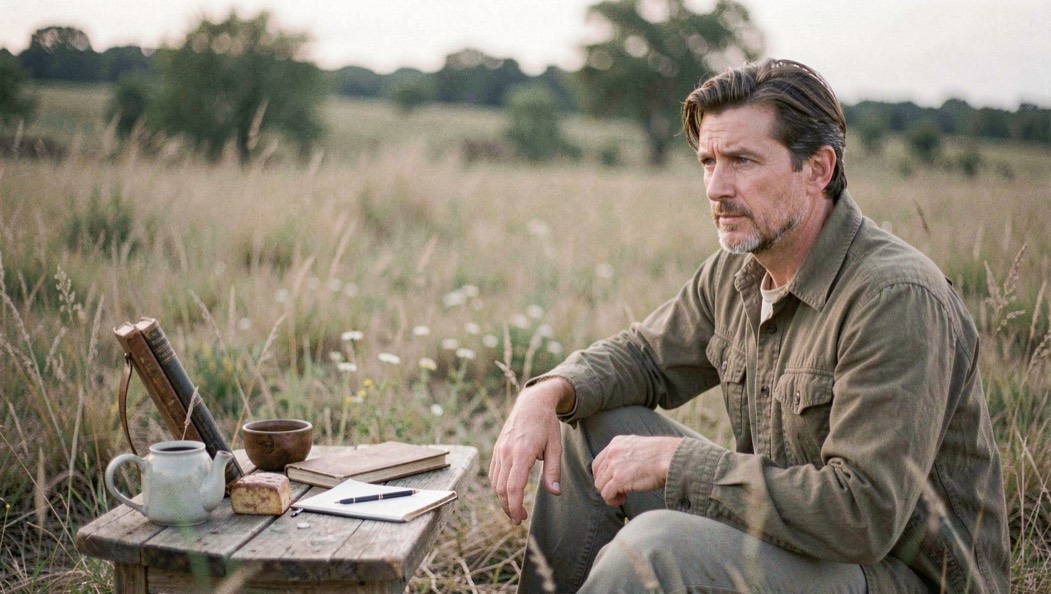
Shoreline studio practice along the Anne Arundel shoreline is mostly a matter of logistics: light, tide, clay, and a bench that does not move. Painters time sessions to the tide and the angle of the sun. Potters dig local shore clay, wedge it, and log every firing. Bench workers keep tools sharp and work close to the water when weather allows.
The three practices share one constraint. The bay sets the schedule, and the maker adapts. A documented record of these habits, including palettes, session lengths, and firing logs, appears in the field notes collected at Anne Arundel shoreline studio practice, which tracks workshop routines season by season.
What does painting on the bay actually require?
Outdoor painting on the Chesapeake rewards preparation more than talent. A painter arriving at the shore needs a stable easel, a palette limited to colors that survive salt air, and a plan for the light, because the light will not wait.
Start with the tide chart, not the paint box. Low tide exposes flats and edges that read differently from a high, full bay. The same stretch of shore can look like two places within six hours. Painters who work regularly learn to choose a subject that matches the water level they will actually have, not the one they imagined.
Palette choices tend to be practical. Salt haze softens distant edges, so a small number of pigments mixed carefully often reads better than a wide range. Many painters carry a limited set and rely on value contrast to carry the structure of the scene. The sky over the bay is usually brighter than the water, and the water is usually darker than beginners expect.
Session length matters. A plein air study done in ninety minutes often holds more information than a labored piece done over two days, because the light relationship stays intact. Painters who document their sessions note the start time, the tide stage, and the wind direction. That record becomes useful later, when a studio painting needs to be finished from a field study.
Winter work changes the terms. Cold air thickens paint and numbs fingers. The water and sky shift toward gray, and the horizon line can nearly disappear. Painters who continue through winter often shorten sessions and work smaller, trading scale for warmth and speed.
How does local shore clay become ceramic work?
Shore clay is not a single material. It varies by location, by depth, and by how much sand and organic matter it carries. That variability is the first thing a potter has to accept.
Digging is the easy part. Processing is not. Shore clay usually needs to be dried, broken down, and rehydrated before it can be wedged. Sand content affects plasticity. A clay body that is too short will not hold a wall on the wheel. A body that is too plastic can slump. Potters test small batches before committing a large amount of material to a project.
Wedging tables become the center of the work. On a wedging table, the potter removes air pockets and evens out moisture. This step is repetitive and unglamorous, and it determines whether the rest of the process goes well.
Firing records are where shore clay practice becomes a discipline. Because the material varies, a firing log that records clay source, forming date, bisque temperature, glaze, and final firing result is the only way to learn what a given batch will do. Potters who keep logs season by season can compare summer clay to winter clay and adjust.
Kiln results are not always predictable. That is normal with local material. The useful response is documentation, not guesswork. A potter who writes down what happened can repeat a good result and avoid a bad one.
What does bench work by the water look like?
Bench work near the shore is quieter than painting or ceramics, and it depends on tools that stay in condition.
Sharpening is the foundation. A dull edge tears wood instead of cutting it, and it makes every task slower. Bench workers who set up near the water usually keep a small sharpening station, a stone or two, and a habit of touching up edges before a task rather than after.
Bench joinery by the water has one obvious enemy: moisture. Salt air and humidity move wood. A joint that fits tightly in a dry shop may loosen or seize near the bay. Workers who build on site learn to cut and fit in the same conditions they will live with.
Relief printing is the other common bench practice. Carving a block, inking it, and pulling a proof on a press is a sequence that tolerates small workspaces. The press does not need a view of the water, but the work often reflects it, because the carver is looking at the shore every day.
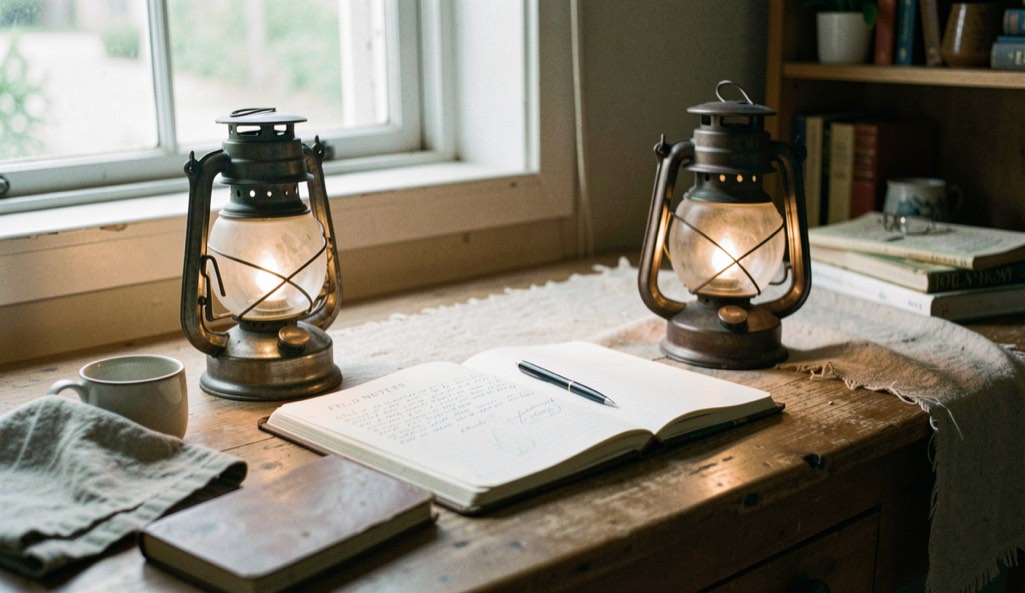
Field notes tie these practices together. Daily logs and transect records along the wrack line, the debris left by the tide, give bench workers and potters a shared vocabulary of place. A note about a particular clay seam or a particular piece of driftwood is a record that another maker can use.
Do you need a formal studio to work this way?
No. A formal studio helps in bad weather, but it is not a requirement for shoreline practice. What the work requires is a repeatable setup and a habit of recording what happens.
A painter can work from a car trunk with an easel and a limited palette. A potter can process small batches of shore clay with buckets, a drying board, and access to a kiln, which may be shared. A bench worker can sharpen and carve on a stable table with good light.
The common failure is not lack of space. It is lack of records. Without notes, a maker cannot tell whether a good result came from the material, the weather, or luck. With notes, the same maker can build on what worked.
How should a beginner start?
Start with one practice, one location, and one notebook. Choose a stretch of shore you can visit often, because repetition is what teaches the light and the tide.
For painting, begin with short sessions and a small panel. For ceramics, begin with a small batch of clay and a full record of one firing. For bench work, begin with sharpening and one simple joint or one small block.
Add a fixed routine. Note the date, the time, the tide, the weather, and what you did. Keep the notes even when the result is poor. Poor results with records are more useful than good results without them.
Expect the bay to interrupt. Wind, rain, and cold will cancel sessions. That is part of the practice, not a failure of it. Makers who work the Anne Arundel shoreline over years treat interruption as data, and they plan for it.
Finally, keep the work small enough to finish. A completed study, a fired test tile, or a pulled proof teaches more than an ambitious project abandoned halfway. The shoreline rewards consistency, and consistency is built from sessions that actually happen.
Source: chesapeakebay.net
Shoreline sessions reward slow, repeatable handwork: wedging clay, setting a palette, squaring a bench before the light shifts. The same patience applies to fiber. Learning a craft from the first stitch means holding the hook, forming a chain, and telling single from treble before reading a pattern. That order matters, and it is the same order the shoreline asks for, one step, then the next. A short guide to crochet basics, hook, chain and first stitches, pairs well with studio practice by the water, because both reward attention to the hand before the result.