Record & Review · Reviewed August 23, 2026
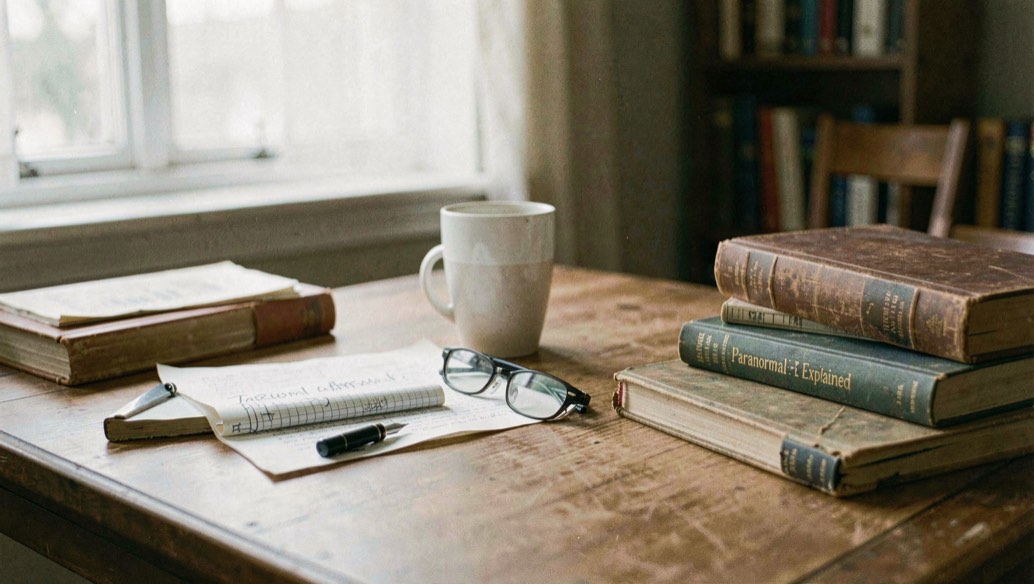
Start with what is in front of you
An unexplained experience can feel immediate even when its cause is not clear. Name the observation in ordinary language: what happened, when it began, who noticed it, and what changed nearby. That makes a record you can revisit without asking fear or certainty to do all the work.
For paranormal evidence explained, the useful question is not “what must this mean?” but “what needs attention first?” If anyone may be unsafe, if an alarm is sounding, or if someone is suddenly unwell, leave interpretation for later and use the appropriate local emergency, health, or household service.
Use a short, repeatable check
- Pause and check people, immediate surroundings, air, alarms, and exits.
- Write the time, place, sequence, and relevant conditions before discussing a conclusion.
- Keep original files and note what was changed, shared, or replayed.
- Compare the record with sleep timing, grief, lighting, appliances, weather, or stress.
This sequence respects the experience without treating an interpretation as established fact. A single observation can matter deeply to a person and still be incomplete as evidence. The evidence and interpretation guide explains that distinction.
Choose the next helpful route
For a home setting, the household checks keep attention on practical risks and repeatable context. If it clusters around sleep, waking, loss, or a sensed presence, the sleep and perception notes offer a respectful comparison. If it is chiefly a record, photo, or account, use the incident log before repeating or editing anything.
What this page can and cannot settle
This guide does not diagnose a person, determine what happened in a building, or certify a paranormal explanation. It offers a calmer next step: protect people, preserve context, and choose sources that match the risk. That can turn a frightening night into a clearer question.
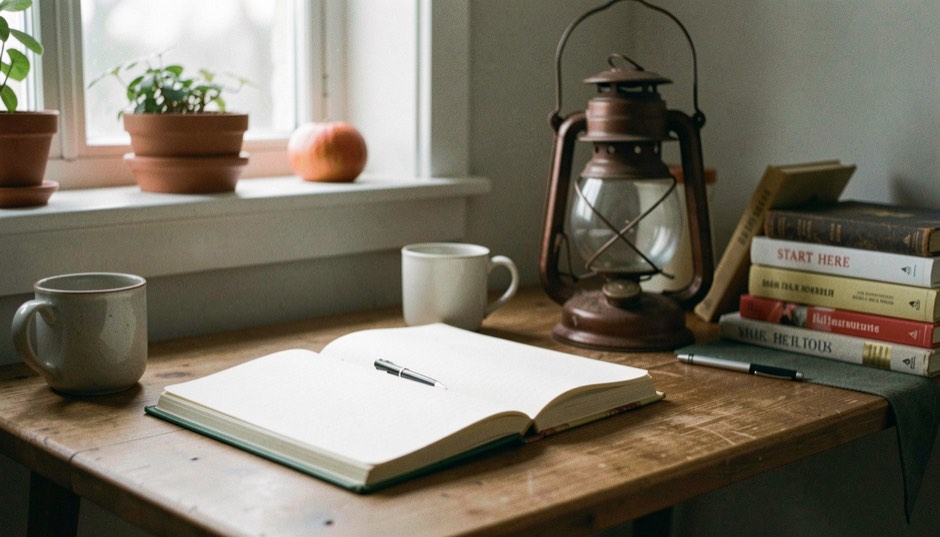
A photograph can show that a location looks a certain way at a certain hour, and that is often all it shows. It cannot establish what caused a sound, who was present, or what a witness felt. When you file images with your notes, label the camera, the time, and the direction faced, then state plainly what the frame does not cover. A useful comparison is a photograph of a place: it documents a scene and its conditions, not the meaning of the scene. Grade the image as documentation, and keep interpretation in a separate field.